BATTING · BALL FLIGHT
Ground ball, line drive or fly ball? The contact creates the path
The same pitch can leave the bat along the ground, on a hard line or high into the air. The result depends on where the bat meets the ball and the direction the barrel is moving through contact.
Checked against the 2025–2026 WBSC Official Rules of Baseball · Updated 1 September 2026Think in three broad launch windows
- 01Ground ball: low path, quick bounce, pressure on infielders.
- 02Line drive: flatter path with useful speed and less hang time.
- 03Fly ball: higher path that can travel far but also gives fielders time.
INTERACTIVE BALL FLIGHTS
Compare low, level and high contact from home plate.
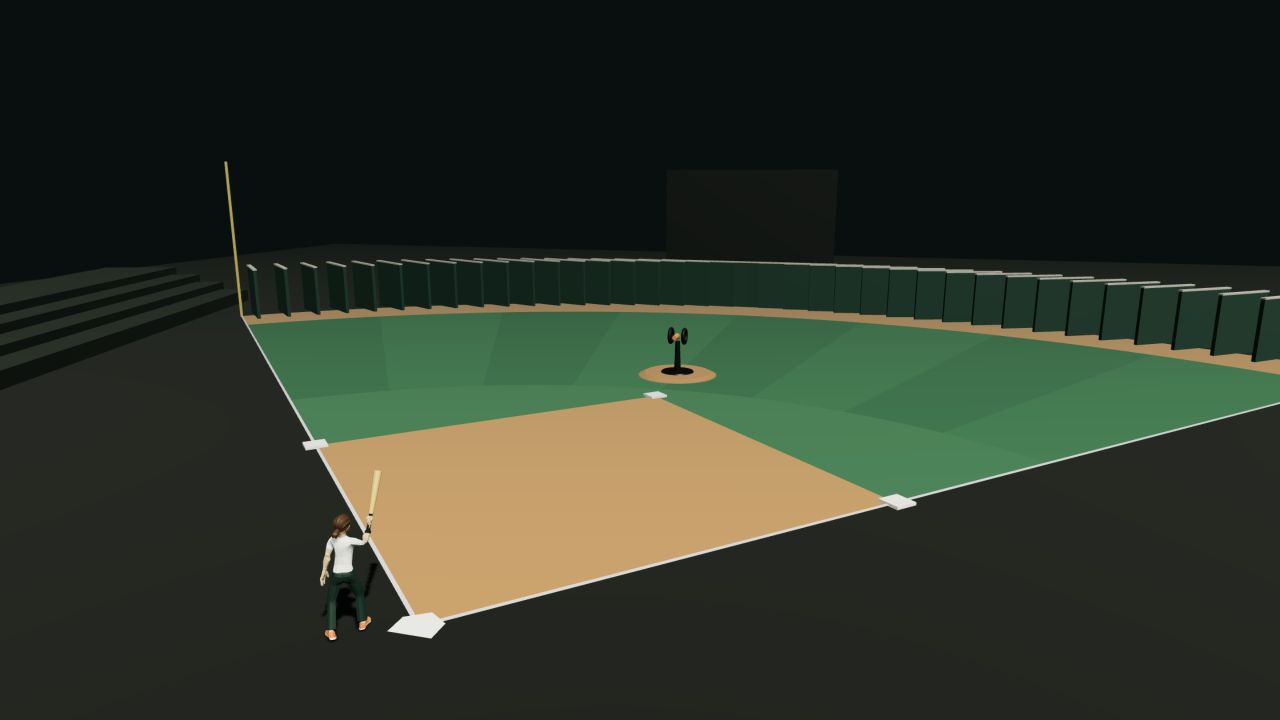
Switch between the three paths and watch both height and where the first fielder would have time to react.
Loading batted-ball paths…
LOW LAUNCH · EARLY BOUNCEThe top half of the ball is contacted and it reaches the infield dirt quickly.
Drag to rotate · Double-click to reset01 / GROUND BALL
Low contact turns speed into a race
A ground ball enters the infield quickly. Even without great distance, it can force a defender to field cleanly and throw before the runner reaches first.
Too steep a downward chop often creates weak contact. The goal is still to move through the ball, not hammer it into the ground.
02 / LINE DRIVE
A hard line gives defenders little time
A line drive combines useful speed with a modest launch angle. It can pass an infielder before there is time to react and may reach an outfield gap.
Square contact and timing matter more than trying to manufacture one exact angle.
03 / FLY BALL
Height helps only when distance comes with it
A deep fly can become an extra-base hit or home run. A high but short fly is often easy to catch because it stays in the air so long.
Trying to lift every pitch can also produce pop-ups. Match the swing to the pitch location and keep the first goal on solid contact.