BATTING · TIMING
Early, on time or late: why a few milliseconds change the hit
The bat travels through the hitting zone for only a short time. Swing too early and the ball is pulled; arrive on time and contact is solid; swing late and the ball often goes the other way or is missed.
Checked against the 2025–2026 WBSC Official Rules of Baseball · Updated 1 September 2026Timing changes more than distance
- 01Early contact usually sends the ball toward the pull side.
- 02Contact near the intended point gives the largest useful part of the bat to the ball.
- 03Late contact often goes to the opposite side and usually carries less authority.
INTERACTIVE CONTACT TIMING
Move contact earlier or later and watch the field change.
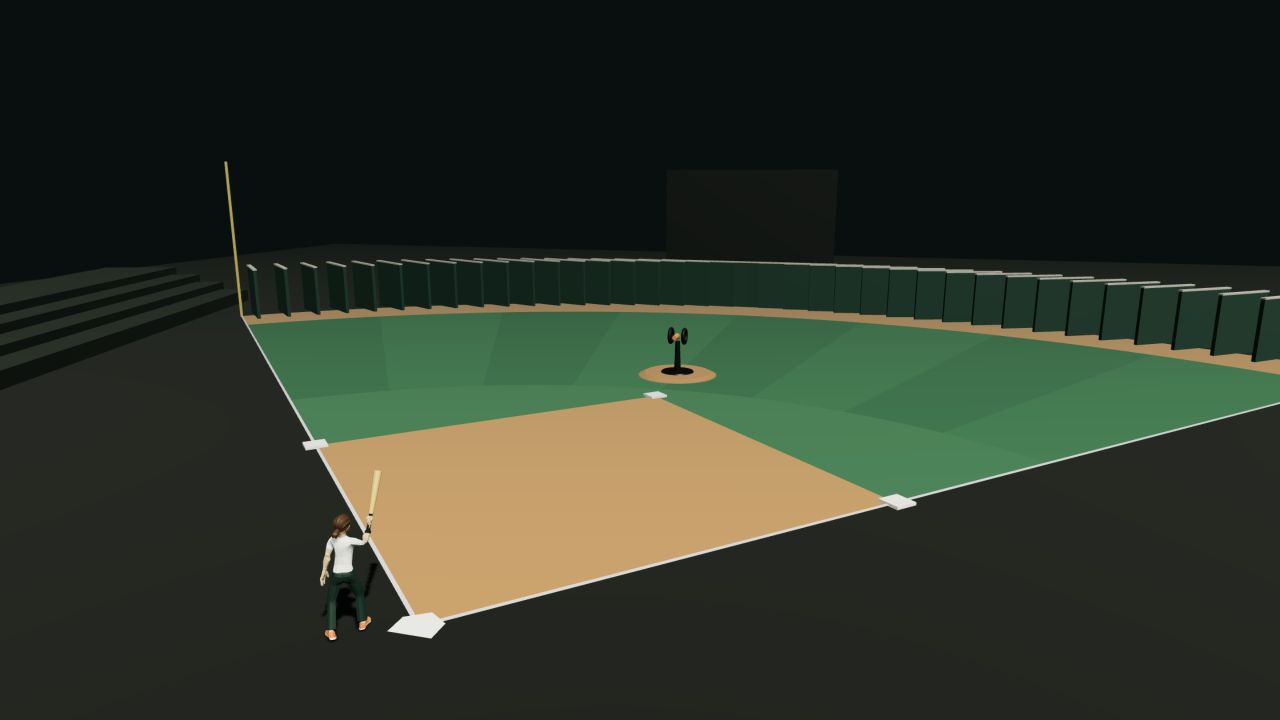
The pitch is the same in all three examples. Only the moment of contact changes.
Loading swing timing…
EARLY → PULL SIDEThe bat reaches the ball too soon, sending contact sharply toward the pull side.
Drag to rotate · Double-click to reset01 / PREPARE
Begin the decision before the ball is close
A fast pitch leaves no time for a full reaction after it reaches the plate. Get into a ready position as the pitcher or machine begins the delivery.
Preparation should make the swing available, not commit you to every pitch. You still need to recognize whether the ball is hittable.
02 / CONTACT WINDOW
Give the barrel time inside the hitting zone
Useful contact happens in a zone rather than at one magical dot. A direct bat path lets the barrel travel through that zone longer.
A long looping path may look powerful but gives you fewer moments when the barrel and ball can meet squarely.
03 / ADJUST
Read speed instead of using one fixed rhythm
A slower pitch arrives later. Starting the same maximum-speed swing every time will make you early against changes of pace.
Keep the early movement controlled, then accelerate when the ball confirms its speed and location.