READ THE GAME · BASERUNNING
When runners must advance—and when a tag is needed
A runner is not always free to stay on the current base. When the batter becomes a runner and removes the safe base behind someone, that runner may be forced to advance.
Checked against the 2025–2026 WBSC Official Rules of Baseball · Updated 1 September 2026Read the bases before the throw
- 01The batter must run to first after putting a fair ball in play.
- 02A runner is forced when another runner needs the base behind them.
- 03Without a force, the fielder usually has to tag the runner off the base.
INTERACTIVE BASE PLAYS
Follow the runner, base and throw together.
Compare a force at second, a tag play and a fly ball where the runner should wait.
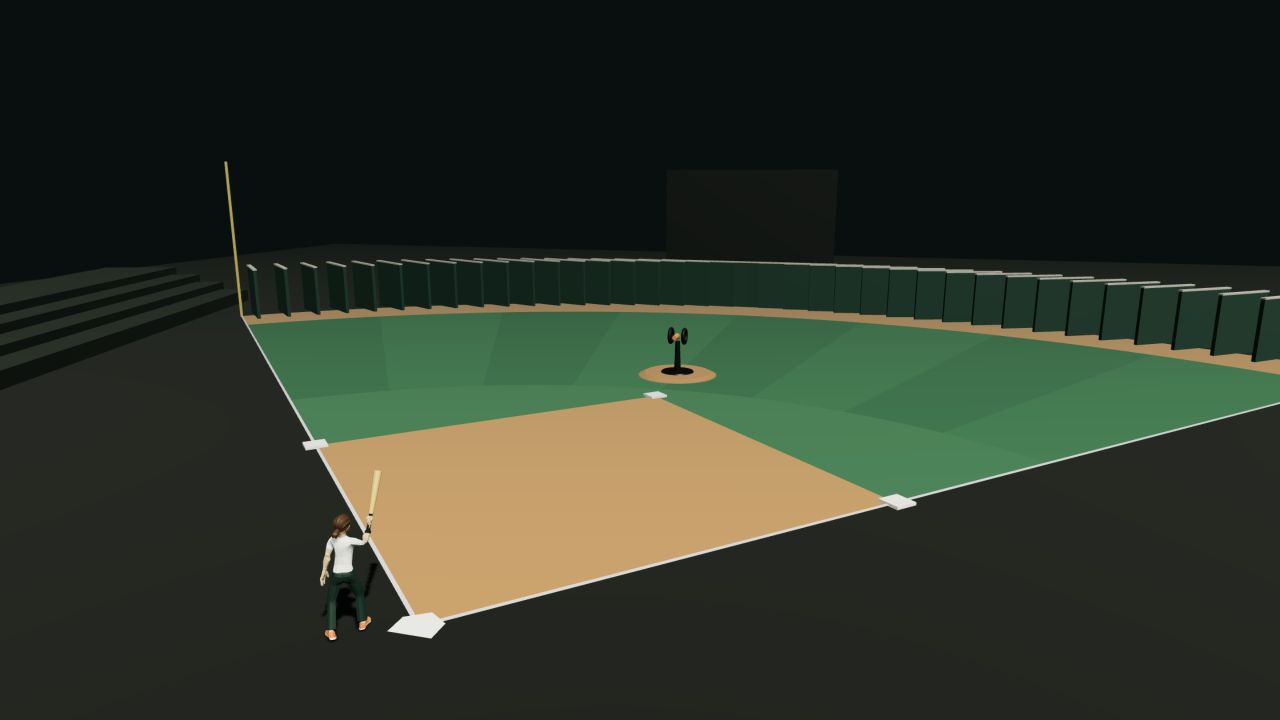
Loading base plays…
RUNNER ON 1ST → MUST ADVANCEThe batter needs first base, so the existing runner must move toward second. A throw to second can record the force out.
Drag to rotate · Double-click to reset01 / FORCE
A chain of occupied bases creates the force
The batter-runner always heads to first on a fair ball. If first was occupied, that runner must make room by advancing to second; the force can continue through other occupied bases.
On a force play, a fielder holding the ball only needs to touch the destination base before the runner arrives.
02 / TAG
No force means the runner can turn back
When the runner is not forced, touching the next base alone does not make an out. A fielder generally needs to tag the runner while the runner is between bases.
That difference explains why some plays end with a simple foot on the bag and others become a chase.
03 / FLY BALL
A catch changes the runner’s decision
If a fly ball is caught, runners must return to or remain in contact with the base they occupied when the pitch began before advancing.
A runner may leave after the catch—often called tagging up—but should judge the fielder’s position and throwing distance first.