READ THE GAME · PITCHES
Fastball, curveball and changeup: read the difference early
Pitchers change both speed and movement so the hitter cannot use one automatic swing. The most useful first distinction is simple: straight and fast, slower with visible break, or deceptively slower than expected.
Checked against the 2025–2026 WBSC Official Rules of Baseball · Updated 1 September 2026Three pitch families, three problems
- 01Fastball: reaches the plate quickly and leaves less decision time.
- 02Curveball: changes vertical and sideways direction more noticeably.
- 03Changeup: looks faster out of the hand, then arrives later.
INTERACTIVE PITCH PATHS
Release three pitches from the same place.
The paths begin together. Watch when the speed and movement finally separate them.
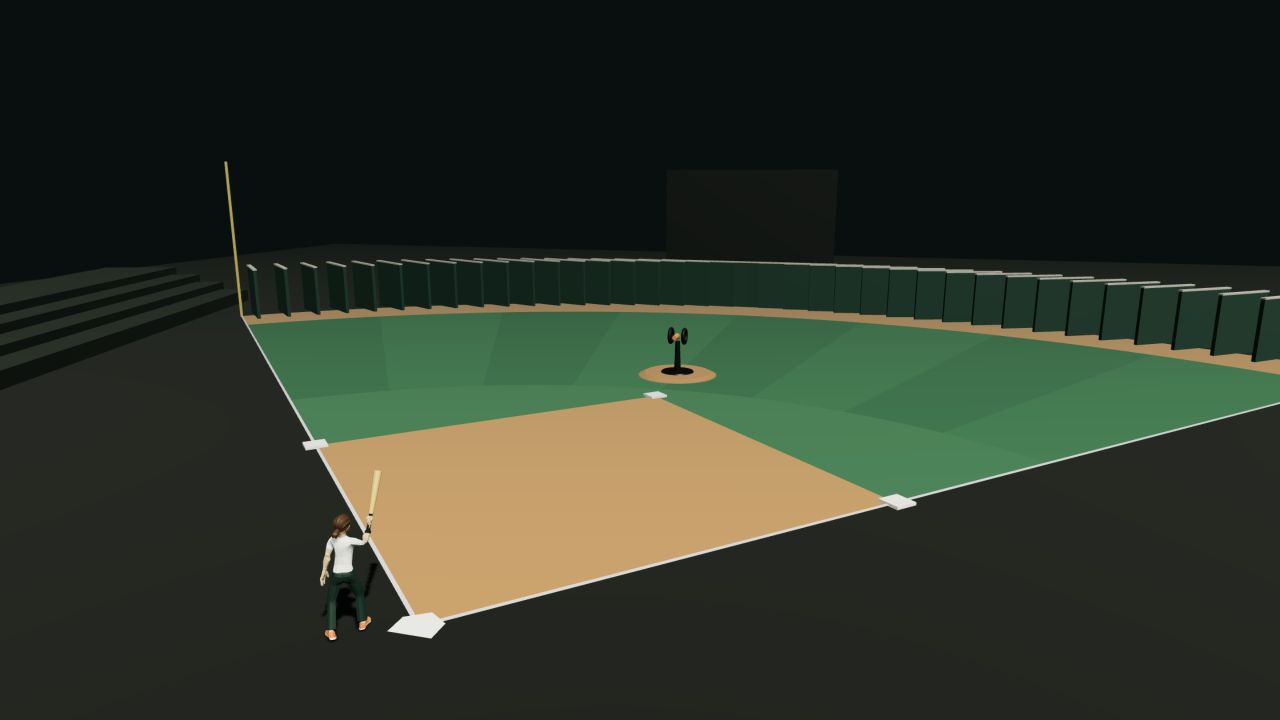
Loading pitch paths…
FAST · SMALLER BREAKThe fastball takes the most direct-looking route and reaches the hitting zone first.
Drag to rotate · Double-click to reset01 / FASTBALL
Make the decision sooner
A fastball gives the hitter the least flight time. Preparation and recognition have to begin near release rather than after the ball is halfway home.
Fastballs can still move and vary in shape; the simple lesson is that speed reduces the time available for every later choice.
02 / BREAKING BALL
Expect the path to change
A curveball or slider can begin near one route and finish somewhere else. Chasing its early position with the hands often leads to poor contact.
Track the ball longer and keep enough balance to adjust as the break becomes visible.
03 / CHANGE OF PACE
The same-looking release can arrive later
A changeup is effective because the hitter expects fastball timing. The slower arrival makes an otherwise good swing happen too early.
Recognizing speed differences is more useful than trying to memorize a single perfect path for every pitcher.