RULES · THE AT-BAT
Balls, strikes, fouls and when the at-bat ends
Every pitch changes the count or puts the ball in play. Three strikes usually make an out, four balls award first base, and a hit must stay in fair territory to become a normal live ball.
Checked against the 2025–2026 WBSC Official Rules of Baseball · Updated 1 September 2026Read an at-bat with these three rules
- 01Three strikes usually mean a strikeout.
- 02Four balls send the batter to first base.
- 03A normal foul counts as a strike only while the batter has fewer than two strikes.
INTERACTIVE PITCH CALLS
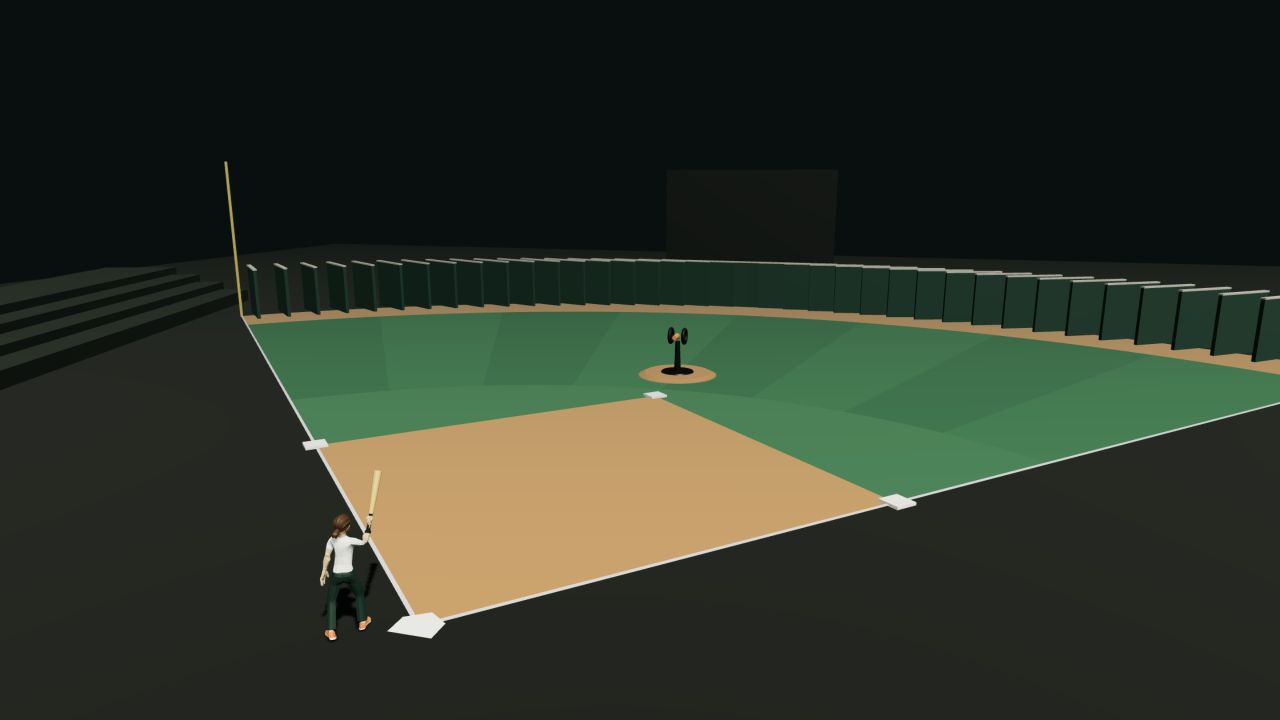
See the strike zone and both foul lines.
Compare a strike through the zone, a ball outside it and contact that lands beyond a foul line.
Loading pitch calls…
THROUGH ZONE · NO SWINGThe pitch crosses the strike zone and the batter does not swing, so a strike is added.
Drag to rotate · Double-click to reset01 / STRIKES
A strike can happen with or without a swing
A swing and miss is a strike. A pitch through the strike zone may also be called a strike when the batter does not swing.
The strike zone is above home plate and changes vertically with the batter’s stance. Three strikes normally produce a strikeout.
02 / BALLS
Do not chase every pitch
A pitch outside the strike zone is called a ball only when the batter does not swing. Swinging and missing at that same pitch would be a strike.
Four balls award the batter first base, which is called a walk. Knowing when not to swing is therefore part of hitting.
03 / FAIR OR FOUL
The foul lines themselves are fair
The two lines running from home plate through first and third base separate fair and foul territory. A ball touching a foul line is fair.
A normal foul ball adds a strike when the batter has zero or one strike. With two strikes, another normal foul usually keeps the count at two, although a foul bunt with two strikes is an out.